

Plant-Based Proteins: Capitalizing on the Chlorella and Spirulina Market Growth
The plant-based nutrition market is not just growing—it's evolving. While soy, pea, and rice proteins have established the category, a new wave of nutrient-dense, multifunctional superfoods is rising to meet sophisticated consumer demands. At the forefront are Chlorella and Spirulina, microalgae celebrated not only for their high-quality protein but also for their unparalleled spectrum of vitamins, minerals, and unique phytonutrients. For B2B buyer , understanding this specialized segment is key to formulating next-generation products. This guide explores the drivers behind this growth, critical sourcing parameters, and how HERSONCARE's Organic Chlorella Protein Powder delivers the quality and reliability that global brands require.
Beyond Protein: The Multifunctional Power of Microalgae
Chlorella and spirulina are often grouped together, but they offer distinct nutritional profiles that cater to different formulation and marketing angles.
- Chlorella: The Detox & Cellular Support Champion
- Protein & Nutrients: Contains ≥50% complete protein with all essential amino acids. It's exceptionally rich in chlorophyll (≥1%), iron, B-vitamins, and the unique Chlorella Growth Factor (CGF), a nucleotide-peptide complex studied for its cellular repair properties.
- Key Applications: Heavy metal detox supplements, immune support blends, energy and vitality powders, and green food formulations.
- Spirulina: The Antioxidant & Omega Powerhouse
- Protein & Nutrients: Slightly higher protein content (60-70%) and an excellent source of gamma-linolenic acid (GLA), phycocyanin (a blue antioxidant pigment), and beta-carotene.
- Key Applications: Protein shakes, athletic nutrition, natural blue/green colorant in foods (as Phycocyanin Extract), and antioxidant-rich wellness products.
Together, they represent a shift from protein isolation to holistic, nutrient-synergistic Plant Extracts that deliver a compelling “health halo.”
Market Drivers: Why Chlorella and Spirulina Demand is Surging
Several converging trends are fueling the expansion of the microalgae market beyond niche health stores into mainstream channels.
- The "Clean Label" and "Whole Food" Imperative: Consumers are seeking minimally processed, recognizable ingredients. "Organic Chlorella Powder" on a label resonates more powerfully than a proprietary protein blend.
- Holistic Health and Functional Nutrition: The demand is for ingredients that offer multiple benefits. Chlorella isn't just a protein source; it's marketed for detoxification, energy, and immune support, aligning with the rise of preventative healthcare.
- Sustainability as a Core Purchase Driver: Microalgae cultivation requires minimal land and water compared to traditional crops or livestock, producing a high-yield, carbon-sequestering protein source. This environmental story is a significant brand asset.
- Innovation in Application Formats: Usage is expanding from simple tablets to smoothie powders, protein bars, vegan snacks, fortified beverages, and even integration into Cosmetic Raw Materials for their mineral and antioxidant content.
Top 5 Concerns for B2B Buyers Sourcing Microalgae Ingredients
Procuring high-quality chlorella or spirulina involves navigating unique supply chain and quality challenges.
- Organic Certification & Purity Assurance: Is the product certified organic (EU/NOP)? Given algae's bioaccumulation nature, what rigorous testing is in place for heavy metals (Pb, As, Cd, Hg), microcystins (in spirulina), and environmental pollutants?
- Cell Wall Integrity (for Chlorella) and Bioavailability: Chlorella's tough cell wall must be broken (cracked) to make its nutrients bioavailable. Does the supplier use a verified, consistent cracking method without damaging heat-sensitive compounds?
- Color, Taste, and Sensory Profile: High-quality algae should have a vibrant color and a mild, oceanic aroma. Does the product have a dark, dull color or a strong, fishy off-flavor—indicators of poor processing or old stock?
- Supply Chain Transparency and Species Verification: Can the supplier trace the product to its specific cultivation farm and verify the algal strain (e.g., Chlorella vulgaris)? How do they ensure batch-to-batch consistency in nutritional profile?
- Technical Specifications and Functional Performance: Beyond protein percentage, what are the guaranteed levels of key markers like chlorophyll, carotenoids, and vitamins? What is the particle size (mesh), and how does it perform in terms of dispersibility in liquids or blendability in dry mixes?
Innovations in Cultivation and Processing Technology
The industry is advancing rapidly to improve yield, purity, and functionality.
- Advanced Photobioreactors (PBRs): Moving beyond open pond cultivation, closed-loop PBRs allow for pristine, controlled environments, drastically reducing contamination risks and enabling year-round production of ultra-pure algae with precise nutrient profiles.
- Low-Temperature Drying & Processing: Technologies like spray drying with carefully controlled inlet temperatures help preserve the delicate enzymes, antioxidants, and the vibrant green color of chlorella, maintaining its status as a potent Natural Antioxidant.
- Microencapsulation for Taste Masking and Stability: New technologies are being applied to microencapsulate algae powders, masking any residual taste and protecting sensitive nutrients from oxidation, thereby improving shelf-life and consumer acceptance.
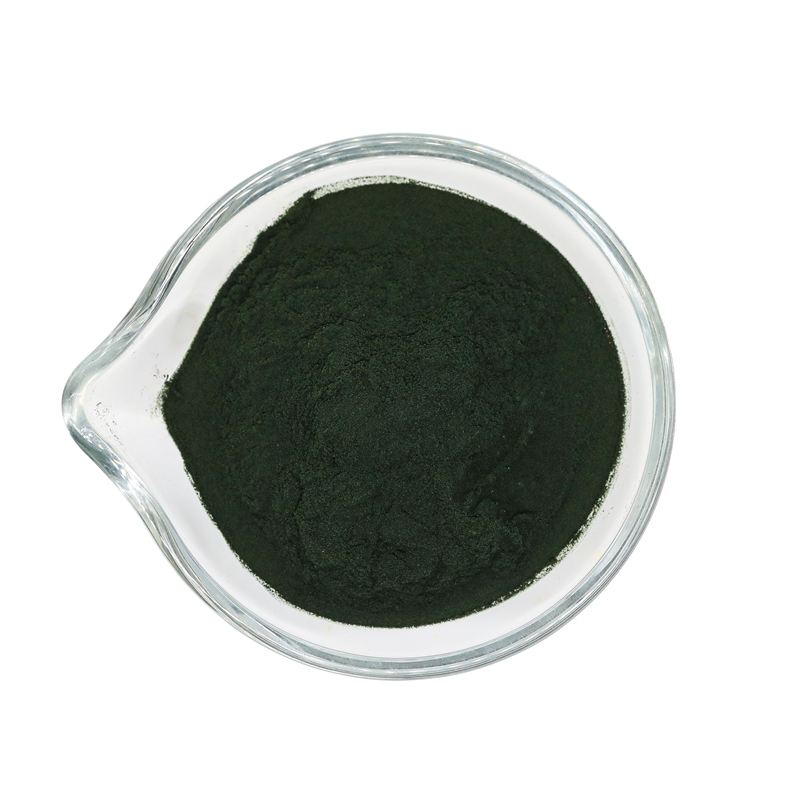
HERSONCARE's Organic Chlorella Protein Powder: A Benchmark in Quality
HERSONCARE’s commitment is to provide B2B clients with a microalgae ingredient that meets the highest benchmarks for safety, efficacy, and reliability.
- Rigorous Quality Specifications: Our product is defined by strict parameters: ≥50% protein, ≥1% chlorophyll, and heavy metal limits (e.g., Lead ≤2.0ppm, Cadmium ≤0.5ppm) that meet stringent international food safety standards.
- Certified Organic and Safe: We prioritize organic certification and comprehensive pathogen testing (Salmonella, E. coli not detected), providing the documentation necessary for confident global distribution.
- Optimal Processing: Our chlorella undergoes a mechanical cracking process to ensure optimal nutrient bioavailability while maintaining a fine, uniform particle size (≥80 mesh) for excellent mixability into powders, liquids, and bars.
This quality-first approach complements our broader portfolio of synergistic ingredients for health formulations, including Natural Antioxidants like Vitamin C, essential Vitamins and Minerals, and other functional Plant Extracts.
Application Ideas and Formulation Synergies
Our Organic Chlorella Powder is versatile across multiple product categories.
- Green Superfood Blends: Combine with spirulina, wheatgrass, and Fruit Powders for a comprehensive daily nutritional powder.
- Plant-Based Protein Products: Enhance the nutritional density and amino acid profile of vegan protein shakes, bars, and meat alternatives.
- Functional Foods & Beverages: Incorporate into healthy snacks, pasta, or green juices for a nutrient boost and natural color.
- Targeted Supplement Formulations: Ideal for capsules or tablets focused on detoxification, energy, or immune support, potentially combined with supportive Amino Acids and herbal extracts.
Frequently Asked Questions (FAQ)
What is the main difference between Chlorella and Spirulina?
Chlorella is a green algae, higher in chlorophyll, iron, and the unique CGF, with a focus on detox and cellular health. Spirulina is a blue-green algae, higher in protein and phycocyanin (an antioxidant), with a focus on energy and antioxidant support. They are complementary.
Why is the "cracked cell wall" so important for Chlorella?
Chlorella’s tough cellulose wall is indigestible by humans. A proper cracking process (mechanical is preferred) breaks this wall open, making the rich inner nutrients bioavailable. Uncracked chlorella offers minimal nutritional benefit.
Is your chlorella suitable for vegan and allergen-free products?
Absolutely. It is a pure plant-based ingredient, free from gluten, soy, dairy, and other major allergens, making it ideal for a wide range of dietary-positioned products.
What is the recommended daily dosage in supplements?
Typical supplemental dosages range from 2 to 3 grams per day. For functional food fortification, usage varies from 1-5% depending on the desired nutritional boost and color.
Can you provide samples and a full technical dossier?
Yes. We provide samples for qualified B2B clients along with a comprehensive technical dossier including Certificate of Analysis (with heavy metals and microbiology), organic certification, and specification sheets.