
The Rising Demand for Clean Label Natural Colorants: Spotlight on Phycocyanin Blue
The global shift towards clean label products is one of the most transformative trends in the food and beverage industry. Consumers are actively scrutinizing ingredient lists, demanding transparency, and rejecting synthetic additives. This movement has propelled Natural Colorants from a niche option to a commercial imperative. Among these, Edible Food Coloring E18 Phycocyanin Extract, the vibrant blue pigment from spirulina, is experiencing remarkable growth. This guide explores the drivers behind this demand, the unique value of phycocyanin, and the critical sourcing considerations for B2B采购经理 navigating this colorful revolution.
The Clean Label Revolution: Why "Natural" is Now Non-Negotiable
The clean label trend is driven by a powerful consumer desire for simplicity, safety, and authenticity. It's not merely about removing artificial colors; it's about using ingredients perceived as wholesome and recognizable.
- Consumer Trust: Ingredients like "Spirulina Extract" or "Phycocyanin" resonate better than synthetic blue dyes (e.g., Brilliant Blue FCF, FD&C Blue No. 1) on labels, building brand trust.
- Health & Wellness Synergy: Natural colorants often carry additional health perceptions or functional benefits. Phycocyanin, for instance, is not just a color—it's also a potent Natural Antioxidant with anti-inflammatory properties studied for their health potential.
- Regulatory Push: Regions and retailers are increasingly setting policies to limit synthetic additives, making natural alternatives a compliance requirement for market access.
Spotlight on Phycocyanin (E18): The Supreme Natural Blue
Phycocyanin stands out in the natural color palette, especially for blue and green shades, which are historically challenging to achieve naturally.
Source and Properties
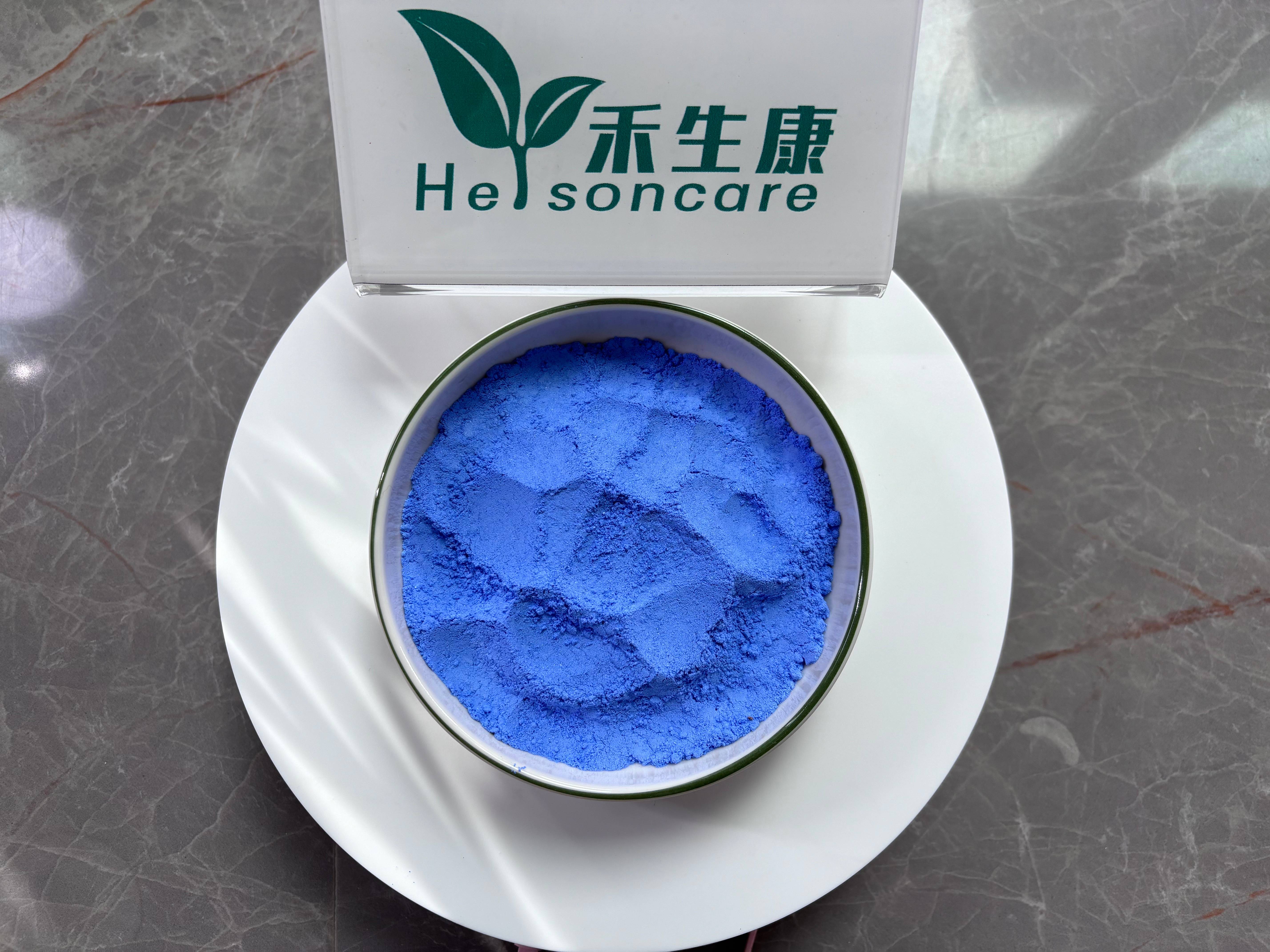
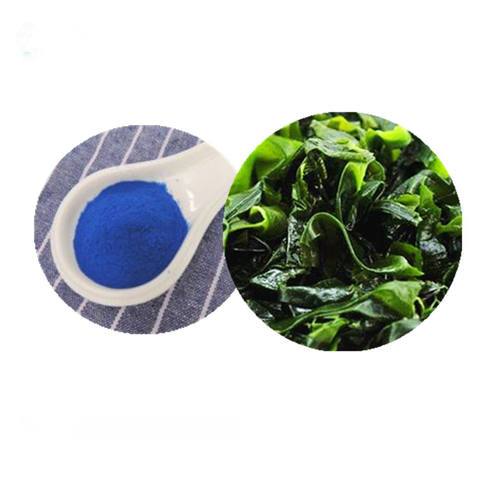
Derived from the blue-green microalgae Arthrospira platensis (spirulina), phycocyanin is a protein-pigment complex. It offers a unique, bright cyan-blue color and is water-soluble, making it versatile for beverages, confectionery, dairy, and frosting applications.
Dual Function: Color and Nutrition
This is where phycocyanin shines beyond synthetic dyes. As a functional Plant Extract, it contributes not only color but also protein content and antioxidant activity, allowing for "color with a function" marketing claims that align perfectly with the health-focused clean-label consumer.
Market Trends and Application Expansion
The application of natural colorants like phycocyanin is rapidly expanding beyond traditional segments.
- Beyond "Free-From": While initially popular in organic and "free-from" lines, phycocyanin is now mainstream in innovative products like blue smoothie bowls, colored vegan cheeses, ice creams, and even vibrantly colored functional beverages and sports nutrition products.
- The Demand for Vibrant, Stable Colors: The success of visually striking social media-friendly foods has increased demand for bold, photogenic colors that are also stable. Formulators are seeking phycocyanin grades with improved heat and light stability.
- Blending for Spectrum: Phycocyanin is rarely used alone. It is expertly blended with other Natural Colorants like yellow Turmeric Extract (Curcumin) to create a wide range of greens, or with reds like Beetroot Powder or Tomato Lycopene for purples, driving demand for suppliers with a broad, blendable portfolio.
Top 5 Concerns for European & American B2B采购经理
- Color Stability and Performance: "How stable is the phycocyanin under my processing conditions (heat, pH, light)? Does it fade or change hue? Can you provide stability data and application-specific usage guidelines?"
- Regulatory Compliance & Labeling: "Is it approved as E18/Spirulina Extract in the EU and as a color exempt from certification in the USA? What is the required labeling declaration in my target markets?"
- Consistency, Purity, and Taste: "Can you guarantee batch-to-batch color strength and hue consistency? Is the product free from off-odors or flavors (a common issue with lower-grade algae extracts) and heavy metal contaminants?"
- Supply Chain Security & Scalability: "Spirulina cultivation can be volatile. Is your raw material source reliable, sustainable, and capable of scaling with our growth? What is your business continuity plan?"
- Technical Support and Cost-in-Use: "Can you help us reformulate to replace a synthetic blue? What is the dosage vs. cost compared to synthetic dyes, and does its multifunctionality (color + nutrition) justify the premium?"
Technical Insights: Stability and Formulation Best Practices
Phycocyanin is a delicate pigment. Successful formulation requires understanding its boundaries.
Key Stability Factors
- pH Sensitivity: It is most stable in a slightly acidic to neutral range (pH 4.5-7). Highly acidic environments can cause a greenish shift and precipitation.
- Heat Sensitivity: Prolonged high-heat processing can degrade the color. Optimize process times and temperatures, and consider post-processing addition where possible.
- Light Sensitivity: Products colored with phycocyanin often require opaque packaging to prevent fading from UV light exposure.
Formulation Synergies
Pairing phycocyanin with other protective ingredients can enhance stability. Incorporating it into a matrix with Natural Antioxidants like Vitamin C (Ascorbic Acid) or Rosemary Extract can help protect the pigment from oxidative degradation.
Why HERSONCARE is Your Strategic Partner for Natural Colorants
Navigating the complexities of natural colorants requires a supplier with technical depth, a reliable supply chain, and a global perspective.
- A Comprehensive Clean-Label Portfolio: We understand that innovation rarely uses a single color. Beyond premium Phycocyanin Extract, we offer a full spectrum of Natural Colorants and functional ingredients to support your projects:
- Yellows & Oranges: Beta Carotene, Turmeric Curcumin.
- Reds: Tomato Lycopene, Beet Red.
- Greens: Chlorophyll, Spirulina Green.
- Supporting Actives: A full range of Natural Antioxidants and Plant Extracts to complement and stabilize your formulations.
- Commitment to Quality and Documentation: We source from trusted producers and provide comprehensive documentation, including Certificates of Analysis for color strength, heavy metals, and microbiology, ensuring compliance for EU and US markets.
- Technical Partnership, Not Just Transaction: With over 15 years of experience serving international brands, we provide actionable formulation advice. We help you select the right grade, anticipate stability challenges, and optimize cost-in-use for your specific application—be it a beverage, dairy product, or confectionery.
- Reliable Global Sourcing: Our established network and flexible logistics ensure a stable supply of high-quality phycocyanin, helping you mitigate the risks associated with agricultural sourcing.
Frequently Asked Questions (FAQ)
Can phycocyanin be used in all applications where synthetic blue is used?
Not always. Its sensitivity to heat, low pH, and light means it may not be suitable for products requiring retort sterilization, high-acid systems, or clear packaging exposed to light. However, for many ambient, refrigerated, or frozen applications, it is an excellent choice with proper formulation.
What is the typical usage level of phycocyanin?
Usage levels vary widely based on the desired shade and the product matrix, typically ranging from 0.05% to 0.5%. It is significantly less potent gram-for-gram than synthetic dyes, so cost reformulation requires careful calculation.
Does phycocyanin have a taste?
High-quality, well-processed phycocyanin should have a very neutral taste and smell. Lower-quality extracts can carry a distinct "algae" or "fishy" off-note, which is why sourcing from a reputable supplier like HERSONCARE is critical for sensitive applications like beverages.
Is it suitable for vegan and allergen-free products?
Yes. Phycocyanin from spirulina is plant-based (algae), making it vegan, and is free from major allergens like gluten, soy, dairy, and nuts, aligning with multiple dietary trends.
Can you provide a sample matched to a specific color target?
Yes. We work closely with clients to match target shades. We can provide lab samples of phycocyanin and recommend blending ratios with other natural colors from our portfolio to achieve your desired hue.