

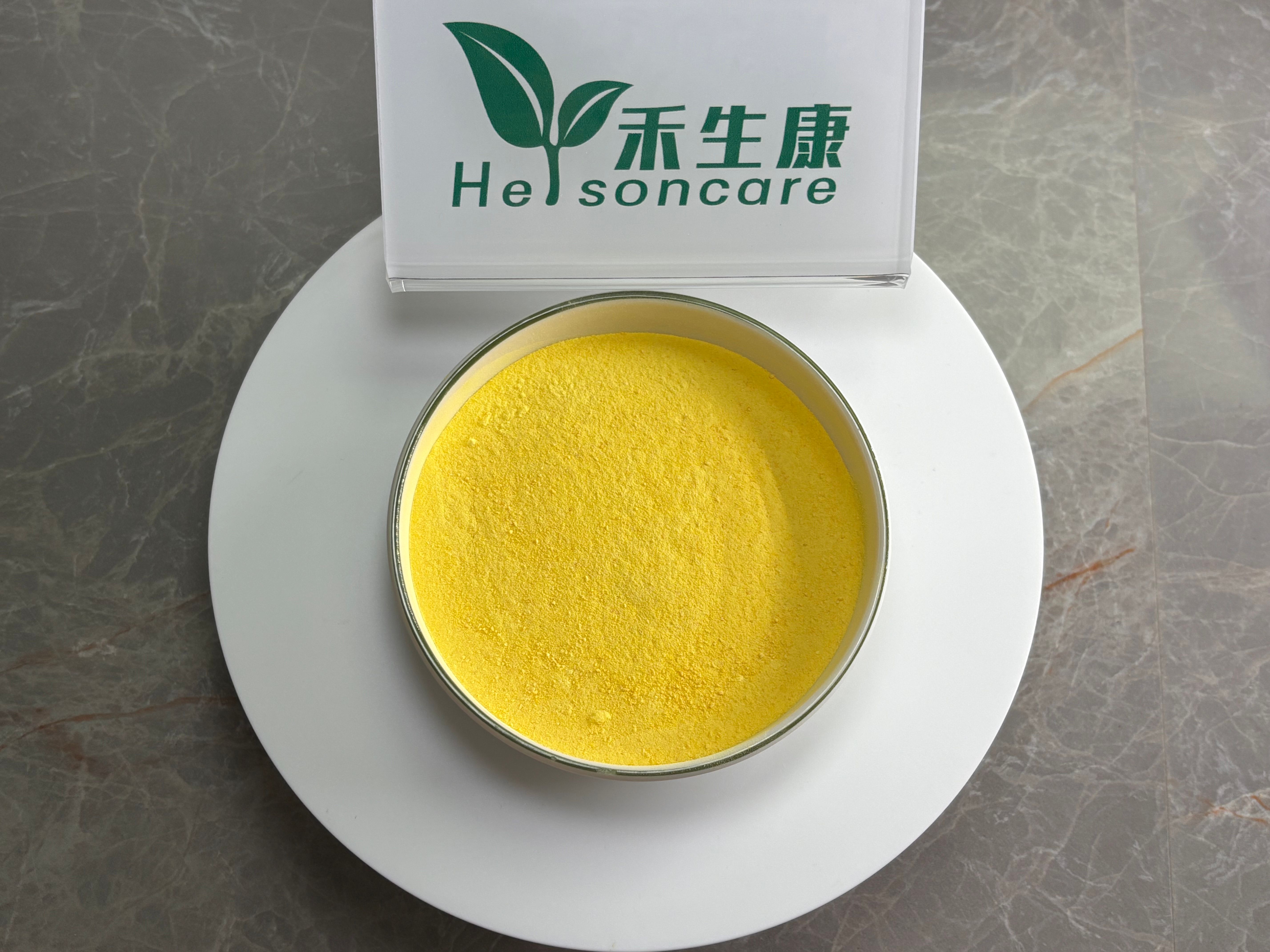
Retinol remains the undisputed gold standard in anti-aging skincare, revered for its proven efficacy in reducing wrinkles, improving skin texture, and boosting collagen. However, for B2B formulators and product managers, its notorious instability and potential for irritation present significant development hurdles. This guide explores modern formulation strategies to harness retinol’s power effectively, focusing on advanced delivery systems like Slow Released Retinol Powder that align with today’s demand for high-performance yet gentle cosmetic raw materials.
The Retinol Challenge: Balancing Potency with Stability & Tolerance
Conventional retinol is highly sensitive to light, oxygen, and heat, leading to rapid degradation and loss of efficacy. Furthermore, its immediate bioavailability can cause redness, peeling, and dryness—barriers to consumer adherence. The industry’s solution lies in sophisticated encapsulation and sustained-release technologies that protect the active ingredient and modulate its delivery.
Top 5 Concerns for B2B Buyers Sourcing Advanced Retinol Ingredients
When evaluating a retinol supplier for a new skincare line, procurement and R&D managers prioritize these critical factors:
- Stability & Shelf-Life Guarantee: How does the ingredient resist oxidation throughout the product's lifecycle? Advanced encapsulation, like the hydroxypropyl cyclodextrin used in our powder, is key.
- Irritation Mitigation: Can the technology reduce adverse effects without compromising results? Sustained-release mechanisms are essential for this.
- Formulation Flexibility & Ease of Use: Is it compatible with various emulsion types and easy to incorporate? A water-dispersible powder format offers significant advantages.
- Technical Dossier & Efficacy Data: Suppliers must provide robust data on potency (IU/g), release kinetics, and stability studies. Our specification of 310,000-330,000 IU/g ensures high potency.
- Regulatory Compliance & Scalability: The ingredient must be globally compliant, and the supplier must have the manufacturing capacity to support bulk orders consistently.
Industry Trend: The Shift to Smart Delivery Systems
The market is moving beyond simple retinol esters to true “smart” retinoids. The trend is towards engineered actives that offer controlled release, targeted delivery, and enhanced bioavailability. HERSONCARE's Slow Released Retinol Powder exemplifies this trend, utilizing molecular encapsulation to create a more forgiving and effective Vitamin A derivative. This aligns with the broader demand for high-efficacy cosmetic actives that support clean-beauty and skin-friendly narratives.
Step-by-Step Guide: Formulating with Slow-Released Retinol Powder
Incorporating our advanced retinol into your formulations requires careful process to maintain its integrity.
- Phase Selection: Due to its water-dispersible nature, the powder is best added to the water phase of an emulsion. Ensure the water phase temperature is below 40°C (104°F) during addition to protect the encapsulation.
- Dispersion: Pre-disperse the powder in a small amount of cool water or a water-soluble solvent (like glycerin or propanediol) using gentle stirring to form a smooth slurry before adding it to the main water phase.
- Recommended Usage Level: Start at a concentration of 0.05% to 0.2% of the pure retinol equivalent in the final formula, adjusting based on your target market and desired potency claim.
- Synergistic Pairing: For enhanced stability and soothing effects, formulate with antioxidants like Vitamin C derivatives or calming plant extracts, and always include a broad-spectrum sunscreen in daytime products.
- Final Product Packaging: Use opaque, air-restrictive packaging (e.g., airless pumps) to provide an additional layer of protection against light and oxygen.

Key Industry Standards & Safety Considerations
Formulating with retinol requires adherence to cosmetic safety regulations and quality standards.
- Potency Standardization: Activity is measured in International Units per gram (IU/g). Reputable suppliers provide a guaranteed range, such as our 310,000-330,000 IU/g specification.
- Stability Testing: Ingredient and finished product stability under accelerated (e.g., 40°C/75% RH) and real-time conditions is mandatory to claim shelf life.
- Microbiological & Heavy Metal Limits: All cosmetic raw materials must comply with strict limits for pathogens, total plate count, and heavy metals as per EU/US and other global regulations.
- Labeling Compliance: Final product labeling must comply with regional ingredient declaration rules (INCI name: Retinol).
Innovation at HERSONCARE: Engineering the Next Generation of Actives
Our Slow Released Retinol Powder is a direct result of focused R&D investment. Our dedicated research team, with expertise in pharmaceutical-grade delivery systems, developed the proprietary hydroxypropyl cyclodextrin encapsulation process in our advanced laboratories. This technology, refined within our modern production facilities, allows for precise control over particle size and release profiles, ensuring that our product delivers on its promise of reduced irritation and sustained efficacy. We are committed to advancing the science of anti-aging ingredients.

Frequently Asked Questions (FAQ)
Q: How does slow-release technology actually reduce skin irritation?
A: Instead of delivering a high concentration of retinol to the skin all at once, the encapsulation system controls the release rate. This creates a lower, more constant concentration of free retinol available to the skin over time, allowing it to acclimate and reducing the “retinization” flare-ups associated with conventional forms.
Q: Can this powder be used in anhydrous formulations (e.g., oil serums)?
A: While its water-dispersible nature makes it ideal for aqueous phases, it can be incorporated into anhydrous systems by first dispersing it in a polar solvent like propanediol before mixing with oils. Compatibility testing is recommended for each base.
Q: What is the typical shelf-life of your Slow Released Retinol Powder, and how should it be stored?
A: When stored in its original, sealed container in a cool (below 25°C), dry, and dark environment, the powder maintains its specified potency for up to 24 months. Once opened, it should be used quickly and stored under the same conditions.
Q: Does HERSONCARE offer support for stability and compatibility testing?
A: Yes. Our technical support team provides guidance on formulation protocols. For strategic partners, we can collaborate on co-development projects to optimize the performance of our retinol in your specific product matrix.

References & Further Reading
- Mukherjee, S., Date, A., Patravale, V., Korting, H. C., Roeder, A., & Weindl, G. (2006). "Retinoids in the treatment of skin aging: an overview of clinical efficacy and safety." Clinical Interventions in Aging, 1(4), 327–348.
- "Retinol." (2024, January 10). In Wikipedia. Retrieved from Wikipedia.org.
- Kong, R., Cui, Y., Fisher, G. J., Wang, X., Chen, Y., Schneider, L. M., & Majmudar, G. (2016). "A Comparative Study of the Effects of Retinol and Retinoic Acid on Histological, Molecular, and Clinical Properties of Human Skin." Journal of Cosmetic Science, 67(2), 85–95.
- Market Report: "Global Anti-Aging Skincare Market - Growth, Trends, and Forecast (2023-2028)." (2023). Mordor Intelligence.
- Industry Discussion: "Challenges with Retinol Stability in Clean Beauty Formulations." (2023, November 5). Cosmetics Design Forum. [Online Professional Forum].