

The modern sports drink market has evolved far beyond simple sugar and salt solutions. Today's athletes and active consumers demand sophisticated formulations that deliver on multiple fronts: rapid hydration, sustained energy, enhanced performance, and accelerated recovery. Integrating functional actives like L-Carnitine L-Tartrate with a scientifically-balanced electrolyte profile is key to meeting these demands. This guide provides B2B采购经理 and product developers with a comprehensive roadmap for formulating next-generation sports drinks that are as effective as they are competitive.
The Synergistic Science: Why L-Carnitine L-Tartrate Belongs in Your Sports Drink
L-Carnitine L-Tartrate (LCLT) is not just another additive; it's a performance-enhancing nutrient with a distinct role. While electrolytes manage fluid balance and nerve function, LCLT works at the cellular level to support energy production and recovery.
Dual-Action Benefits for Athletes
- Energy Metabolism Support: L-Carnitine's primary role is to shuttle long-chain fatty acids into the mitochondria, the cell's power plants, to be oxidized for energy. This can help spare muscle glycogen during endurance exercise, potentially delaying fatigue.
- Recovery & Muscle Soreness: The L-Tartrate form is specifically associated with post-exercise recovery. Research suggests it can help reduce markers of muscle damage and oxidative stress, leading to less perceived muscle soreness and faster readiness for the next training session.
- Superior Stability & Bioavailability: As a salt bonded to tartaric acid, LCLT offers excellent stability in solution and high bioavailability compared to base L-Carnitine, making it perfectly suited for ready-to-drink (RTD) and powdered drink mix applications.
The Electrolyte Foundation: Building a Balanced Hydration Matrix
Electrolytes are non-negotiable. A strategic blend replenishes what is lost through sweat and maintains cellular function.
- Sodium (Na⁺): The cornerstone of hydration, critical for stimulating thirst, maintaining fluid balance, and promoting carbohydrate and water absorption in the intestine.
- Potassium (K⁺): Works synergistically with sodium to maintain cellular fluid balance and is crucial for nerve impulses and muscle contractions, including the heart.
- Magnesium (Mg²⁺): Involved in over 300 enzymatic reactions, including energy production and muscle function. Magnesium deficiency can contribute to muscle cramps.
- Calcium (Ca²⁺): Essential for muscle contractions and bone health. While less is lost in sweat, its inclusion supports overall mineral balance.
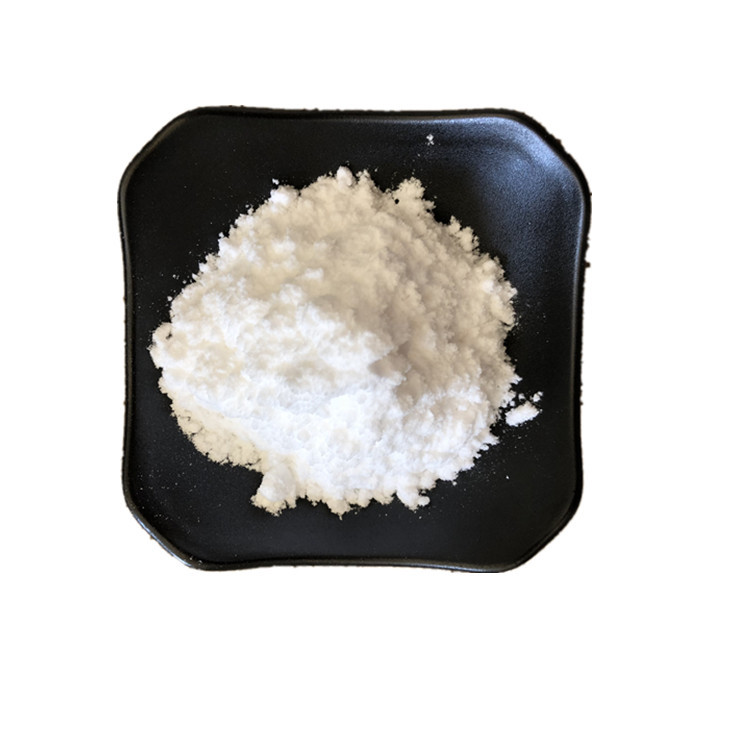
For a superior formulation, consider using highly bioavailable mineral forms like Amino Acid Chelates (e.g., Magnesium Glycinate), which offer better absorption and minimal gastrointestinal distress compared to oxide or citrate salts.
Formulation Blueprint: A Step-by-Step Approach
- Define Your Performance Goal: Is the drink for intra-workout energy, post-workout recovery, or general hydration? This dictates the ratios.
- Intra-Workout/Energy: Higher carbohydrate content, moderate electrolytes, and LCLT to support fat oxidation.
- Post-Workout/Recovery: Higher electrolyte content (especially sodium and potassium), added protein or BCAAs, and LCLT to aid muscle repair.
- Establish the Electrolyte Profile:
- Aim for 300-500 mg of Sodium per 500ml serving.
- Maintain a Sodium-to-Potassium ratio between 1:1 and 2:1.
- Include Magnesium (e.g., 50-100 mg) and Calcium (e.g., 50-150 mg).
- Incorporate L-Carnitine L-Tartrate:
- The effective dose in clinical studies is typically 1-2 grams of LCLT (providing ~680-1360 mg of L-Carnitine).
- Leverage its high solubility by adding it to the water phase during manufacturing.
- Build the Carbohydrate & Flavor System:
- Use a mix of fast- and slower-acting carbs (e.g., dextrose and cluster dextrin).
- Design a robust flavor system with high-quality flavors and acidulants (citric acid, malic acid) to mask any subtle notes from active ingredients.
- Finalize with Functional Additives: Consider adding:
- Natural Antioxidants like Vitamin C to combat exercise-induced oxidative stress.
- B-Vitamins (B6, B12) for their roles in energy metabolism.
- Plant Extracts like beetroot powder (for nitric oxide support) or green tea extract for an additional metabolic boost.
Top 5 Concerns for B2B Buyers Sourcing Functional Sports Drink Ingredients
- Ingredient Purity & Dosage Accuracy:
Key Question: “For LCLT, what is the guaranteed assay (e.g., 68.2% L-Carnitine content)? For electrolytes in chelated form, what is the verification of the chelation bond and elemental mineral content?” Precise dosing is critical for efficacy claims.
- Solubility, Clarity & Stability in Final Beverage:
Key Question: “Does the LCLT and chosen electrolyte blend deliver crystal-clear solubility without sedimentation or cloudiness over the product’s shelf life? What are the stability data under various pH and temperature conditions?”
- Regulatory Compliance & Labeling (NSF, Informed-Sport, etc.):
Key Question: “Can the supplier provide documentation proving the ingredient is compliant for use in sports nutrition and free from banned substances? Are Certificates of Analysis (CoA) and heavy metal reports available for audit?”
- Taste & Flavor Compatibility:
Key Question: “How does the ingredient impact the final taste profile? Does the LCLT or certain mineral chelates require specific flavor masking agents?” This is paramount for consumer acceptance.
- Supply Chain Reliability for Active Ingredients:
Key Question: “Can the supplier guarantee consistent, scalable supply of key actives like LCLT? What is their track record with international manufacturers in the sports nutrition sector?”
Industry Trends: The Future of Functional Hydration
- Personalized Hydration: Formulations targeting specific sports (endurance vs. strength), sweat rates, or even genetic profiles.
- Clean-Label & Natural Actives: Demand for sports drinks with recognizable ingredients, using natural colors from fruit and vegetable powders and sweeteners like stevia or allulose.
- Gut Health Integration: Incorporating prebiotic fibers or postbiotics to support athlete gut health and immunity, which can be impacted by intense exercise.
- Advanced Recovery Formulas: Blends that go beyond electrolytes and protein to include anti-inflammatory plant extracts like tart cherry or curcumin, and adaptogens like ashwagandha for stress modulation.
HERSONCARE: Your Partner in Performance Nutrition
Formulating a winning sports drink requires a supplier with technical depth, a comprehensive portfolio, and a commitment to quality.
- Premium Active Ingredients: We supply high-purity, cGMP-manufactured L-Carnitine L-Tartrate that meets USP standards, ensuring you get the exact performance benefits you formulate for.
- Complete Formulation Ecosystem: Beyond LCLT, we are your one-stop source for all components:
- Electrolytes & Minerals: From standard salts to premium Amino Acid Chelates (Zinc, Magnesium) for enhanced bioavailability.
- Functional Supports: A full range of Vitamins & Minerals, Branched-Chain Amino Acids (BCAAs), and Creatine Monohydrate.
- Natural Enhancers: Natural Antioxidants (Vitamin C, E), Plant Extracts (Green Tea, Ginger), and Natural Colorants.
- Technical Expertise & Solution Focus: Our team understands the challenges of beverage formulation. We can provide guidance on compatibility, usage levels, and stability to help you navigate from concept to commercial batch.
- Global Quality & Compliance: With over 15 years of international B2B experience, we ensure our ingredients are accompanied by the rigorous documentation required for global market access, from regulatory filings to comprehensive CoAs.
Frequently Asked Questions (FAQ)
What is the difference between L-Carnitine Base and L-Carnitine L-Tartrate?
L-Carnitine Base is the pure compound. L-Carnitine L-Tartrate is a salt form where the base is bound to tartaric acid. The tartrate form offers superior stability, is less hygroscopic (absorbs less moisture), and has specific research supporting its benefits for reducing exercise-induced muscle damage, making it the preferred form for recovery drinks.
Can LCLT and electrolytes be used in a low-sugar or sugar-free drink?
Absolutely. The functionality of LCLT and electrolytes is independent of carbohydrates. They perform effectively in drinks sweetened with high-intensity sweeteners like sucralose, stevia, or monk fruit, allowing for zero- or low-calorie performance hydration options.
What is a typical shelf life for an RTD drink containing LCLT?
When formulated with high-quality, stable ingredients and proper preservative systems (for low-acid drinks), such products typically have a shelf life of 12-24 months unopened. The stability of LCLT itself contributes to this longevity.
Is your L-Carnitine L-Tartrate suitable for vegan products?
Yes. Our LCLT is produced via chemical synthesis or fermentation processes that do not involve animal derivatives, making it suitable for vegan and vegetarian sports nutrition products.
Do you offer sample formulations or technical support for prototype development?
Yes. We provide samples of our L-Carnitine L-Tartrate and other functional ingredients to qualified B2B clients. Our technical team can offer foundational guidance on formulation starting points and compatibility to accelerate your development process.