

The relentless pursuit of efficacy in the nutraceutical and functional food industries constantly grapples with a fundamental challenge: how to deliver sensitive, bioactive compounds to their target site without degradation. For ingredients like Conjugated Linoleic Acid (CLA)—a prized fatty acid with research-backed benefits for body composition and metabolism—this challenge is acute. Enter microencapsulation: not merely a process, but a transformative delivery system that protects, stabilizes, and enhances functionality. This guide explores how this advanced technology, as exemplified by HERSONCARE's CLA Micro-encapsulated Powder, is redefining formulation possibilities and what B2B采购经理 must know to source these sophisticated ingredients effectively.
Demystifying Microencapsulation: A Shield for Actives
At its core, microencapsulation is a process of enveloping tiny particles or droplets of a core material (the active) within a protective coating or wall material. This creates microscopic capsules, typically 1-1000 microns in size, turning liquids into free-flowing powders and shielding sensitive ingredients from their environment.
Why It’s Critical for Ingredients Like CLA
CLA, in its natural oil form, is highly susceptible to oxidation when exposed to oxygen, light, and heat, leading to rancidity, loss of potency, and undesirable taste. Microencapsulation directly addresses these flaws:
- Oxidative Stability: The wall material forms a physical barrier against oxygen, dramatically extending shelf life.
- Masking & Handling: It encapsulates odors and flavors (e.g., the oily taste of CLA) and converts sticky liquids into dry, free-flowing powders that are easy to dose, mix, and store.
- Targeted Release & Bioavailability: Advanced systems can be designed for controlled release in the gastrointestinal tract, potentially improving the absorption and efficacy of the active core.
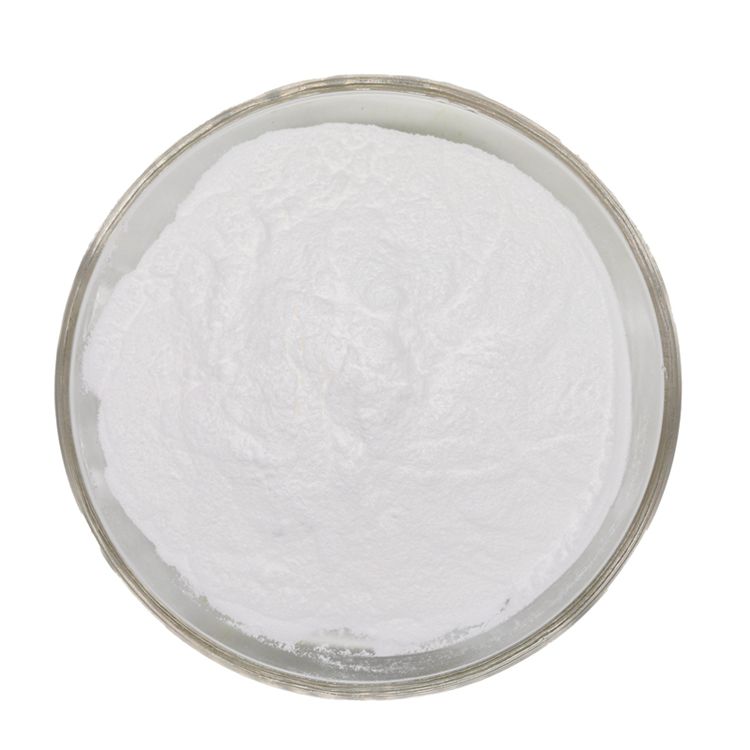
Spotlight on HERSONCARE’s CLA Micro-encapsulated Powder
Our product exemplifies the practical application of this technology to solve real-world formulation problems. By converting CLA from safflower oil into a powder, we overcome the key barriers to its widespread use in dry blends and RTM (ready-to-mix) products.
Key Technical Advantages
- Superior Stability: The microencapsulated matrix protects the CLA isomers (78-84% in fat) from degradation, ensuring potency from production to consumption.
- Exceptional Dispersion: The powder is engineered for excellent cold-water dispersibility, making it ideal for protein shakes, instant beverages, and functional drink mixes without clumping or oily film.
- Neutral Sensory Profile: The technology effectively masks the inherent taste and aroma of the CLA oil, leading to cleaner-tasting finished products.
- Manufacturing Efficiency: As a dry powder with good flow characteristics (≥90% through 40 mesh), it integrates seamlessly into automated blending and tableting processes, unlike messy oils.
Top 5 Concerns for B2B Buyers of Microencapsulated Ingredients
- Encapsulation Efficiency & Payload Verification:
Key Question: “What is the actual active content (e.g., 40% or 60% CLA), and how is the ‘encapsulation efficiency’—the percentage of active successfully coated and protected—measured and guaranteed?”
High payload and efficiency are directly tied to cost-in-use and performance. Demand HPLC or GC verification.
- Wall Material Composition & Clean-Label Status:
Key Question: “What are the wall materials (e.g., modified starch, maltodextrin, gums)? Are they non-GMO, allergen-free, and acceptable for clean-label or organic positioning?”
The carrier system must align with your brand’s ingredient philosophy and regulatory constraints.
- Stability Data & Shelf-Life Claims:
Key Question: “Can you provide accelerated stability data (e.g., under elevated temperature and humidity) to support the claimed shelf-life and demonstrate protection against oxidation?”
Empirical data is non-negotiable to validate the technology’s performance.
- Performance in the Final Application:
Key Question: “How does the powder perform in my specific matrix—a high-protein powder, an acidic beverage, or a baked snack? Does it maintain dispersion and stability?”
Application-specific testing or supplier expertise is crucial to avoid formulation pitfalls.
- Scalability & Cost-Effectiveness:
Key Question: “Is the production process scalable and consistent for large batches? Does the value (improved stability, consumer experience, formulation flexibility) justify the premium over the raw active?”
This is a fundamental ROI calculation for the project.
Latest Innovations in Encapsulation Technology
The field is advancing beyond standard spray-drying. Techniques like spray chilling (using lipid coatings for heat-sensitive actives) and complex coacervation (creating highly impermeable membranes from proteins and polysaccharides) offer enhanced protection for probiotics, omega-3s, and sensitive plant extracts. Furthermore, the drive for cleaner labels is pushing innovation toward ‘label-friendly’ wall materials like rice-derived proteins and soluble fibers.
Synergy with Other Advanced Ingredients
The logic of protection extends across the formulation spectrum. For instance, pairing microencapsulated CLA with other sensitive, high-value actives like curcumin 95% or certain natural antioxidants in a single blend requires a supplier who understands the compatibility of different delivery systems—an area where HERSONCARE’s broad expertise across plant extracts and functional ingredients provides a distinct advantage.
Formulation Guidance and Best Practices
To maximize the benefits of microencapsulated CLA powder:
- Recommended Usage: Follow dosage guidelines based on the active CLA content (40% or 60% grade). Typical daily doses in supplements range from 1.8g to 3.4g of CLA.
- Ideal Applications:
- Sports & Weight Management Nutrition: Powder blends, meal replacements, protein shakes.
- Functional Foods: Fortified cereals, nutrition bars, and instant soups (added post-heat treatment where possible).
- Dietary Supplements: Capsules, tablets, and stick packs.
- Processing Considerations: While protected, avoid prolonged exposure to high heat or high-shear mixing that could physically damage the capsules. Incorporate during the final mixing stages where applicable.
- Synergistic Stacks: Consider formulating with complementary ingredients that support metabolism and lean mass, such as pure L-carnitine or high-quality whey protein concentrate, to create comprehensive solutions.
HERSONCARE: Your Partner in Advanced Delivery Solutions
Choosing a supplier for a technologically sophisticated ingredient requires a partner with depth and reliability.
- Focus on Science-Backed Delivery: We don’t just supply ingredients; we provide scientifically-designed delivery solutions. Our CLA Micro-encapsulated Powder is a direct result of applying advanced technology to solve a clear formulation challenge.
- Integrated Expertise Across Categories: Our deep knowledge extends across related ingredient technologies. We understand how microencapsulated actives interact with other components in your formula, be they vitamins and minerals, other natural antioxidants, or functional plant extracts like ashwagandha or green tea.
- Commitment to Quality & Documentation: We provide transparent specifications, stability data, and comprehensive Certificates of Analysis for our encapsulated products, giving you confidence in their performance and compliance.
- Strategic Sourcing for Innovation: As your one-stop B2B partner with over 15 years of global experience, we can help you navigate the landscape of advanced ingredients, from microencapsulated actives to novel cosmetic raw materials like stable vitamin C derivatives or plant squalane.
Frequently Asked Questions (FAQ)
Can microencapsulated CLA be used in hot beverages?
While it offers superior protection, extreme and prolonged heat can compromise some wall materials. For hot drinks, it's best added after heating or at a lower temperature. Our technical data can provide specific guidance based on the grade.
Is the powder suitable for vegan products?
Yes. The CLA is derived from safflower oil (plant-based), and the standard wall materials (like modified starch) are typically vegan. Always confirm the specific excipient list for your chosen grade.
What is the shelf life compared to CLA oil?
Microencapsulation can extend the shelf life significantly. While CLA oil may be stable for 6-12 months under ideal conditions, our properly stored powder typically maintains stability for 18-24 months, protecting the active isomers.
Does microencapsulation affect the bioavailability of CLA?
Properly executed microencapsulation aims to protect the CLA until consumption and can facilitate dispersion in the GI tract, potentially supporting bioavailability. It prevents the early oxidation that would render the CLA inactive.
Do you offer custom microencapsulation services for other actives?
While our flagship products like CLA are offered in standardized, optimized formats, our flexible model allows us to explore custom projects. We can leverage our network of advanced manufacturers to develop solutions for other sensitive ingredients in your portfolio.